
Rank Means Nothing Out Here… Unless You Have an Obvious One…
Aug 18, 2026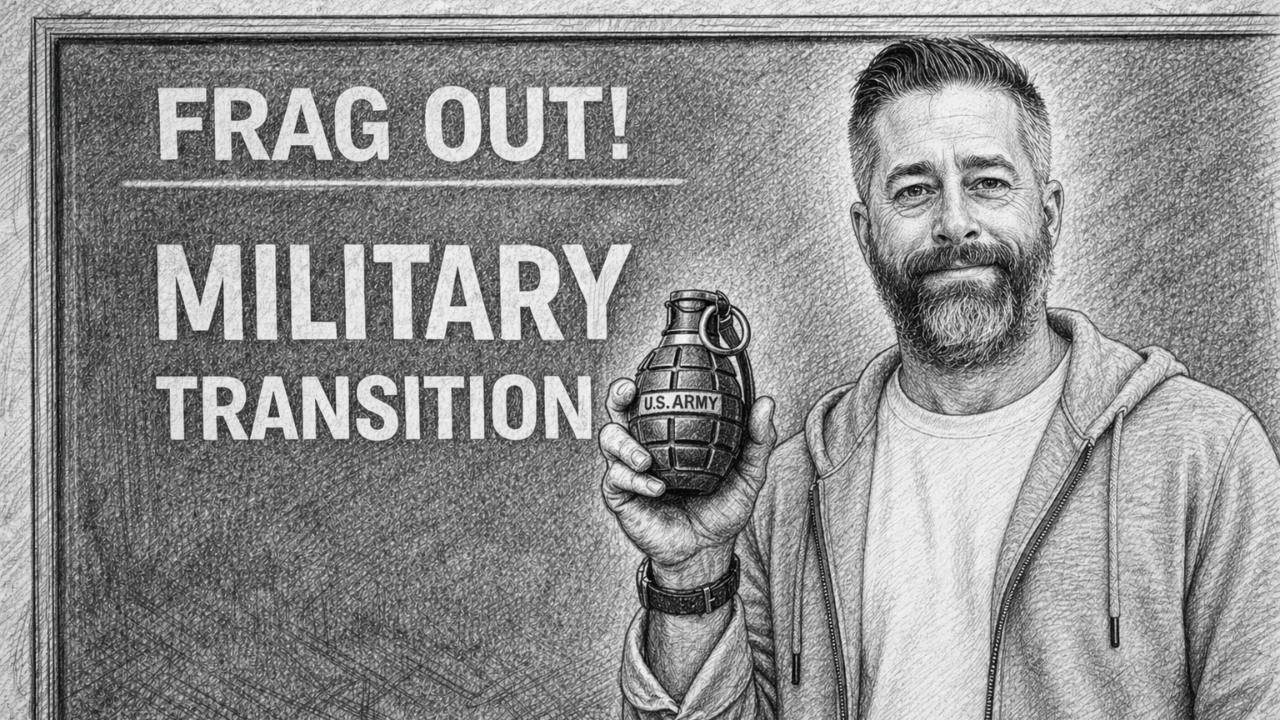
Let’s get this out of the way early, because this truth tends to sting: Your rank matters a hell of a lot inside the military. It matters for authority. It matters for responsibility. It matters for accountability. It matters for survival.
But once you step into the civilian world? Rank means almost nothing out here.
And before anyone lights me up in the comments, let me be crystal clear: This is not disrespect. This is not ignorance. This is not minimizing decades of service.
This is reality. And if you don’t understand it early, it will quietly sabotage your transition, your resume, your interviews, and your credibility. All while you stand there confused, wondering why people “don’t get it.”
They don’t get it because they can’t see it. Here’s the hard truth: we know the difference. They most certainly don’t.
Inside the military, rank is instantly recognizable. You can walk into a room, see insignia, posture, cadence, presence… and immediately understand who carries weight. Who has depth or command authority. Who’s earned their scars.
We can tell the difference between a Sergeant, a Master Sergeant, and a Sergeant Major.
We know what that climb costs. We know the years, the boards, the responsibility, the failure, the leadership burden.
But here’s the hard truth: The civilian world does not know the difference, and rarely cares to learn it.
To them, a Sergeant is “some kind of manager”, a Master Sergeant is “uh… senior to a normal Sergeant?” And a Sergeant Major “sounds important, but what do they do?”
That’s not their fault. They were never trained to understand the system. They don’t live inside it. They don’t measure leadership the same way.
And yet (every day) transitioning service members try to force civilian employers to “respect the rank” instead of translating the value.
That’s where things break.
I have more bad news for you. Chief Warrant Officers may be the ultimate civilian confusion point.
Let’s talk about the most misunderstood title of all. Chief Warrant Officer.
Inside the military, that title carries serious weight. You know exactly what it means: Deep technical expertise. Earned authority. Trusted advisor. Quiet professional. Often the smartest person and best-groomed person in the room (sorry, couldn’t resist).
Outside the military? It sounds like: A police rank. A courthouse position. A boat captain, or something completely made up.
I’ve watched civilian hiring managers physically squint at “Chief Warrant Officer” on a resume. You can almost see the internal dialogue: “Is this a senior role… or a niche role… or… what is this?”
If you don’t explain it, they will guess. And too often they will guess wrong.
Meanwhile… Captain simply works in transition.
Here’s where things get uncomfortable. A Captain (especially in the civilian imagination) is a clean, understood, marketable title. Think: Airline Captain. Ship Captain. Team Captain. Fire Captain
The word has been marketed for centuries. So when civilians hear “Captain,” they don’t think: “How many people did you command?” They think: “Oh! Leader. In charge. Decision-maker.”
Here’s the kicker: we all know a Captain may have decades less experience than a senior NCO or Warrant Officer. But the title works.
That doesn’t mean it’s fair. It means branding matters. And the civilian world runs on branding far more than lineage.
Let’s keep going: Colonel and General: also obvious (mostly).
Colonel works. General absolutely works.
Those titles have crossed fully into civilian understanding: Authority. Seniority. Strategic responsibility. High-level leadership
But then there’s the awkward middle child… Lieutenant Colonel Inside the military? Enormous responsibility. Outside the military? Confusing.
“Lieutenant” sounds junior. “Colonel” sounds senior. Put together? People don’t know where to place it.
Again: not their fault. If the title creates friction instead of clarity, you must translate it.
Here’s the mistake I see over and over: Veterans try to preserve rank instead of communicating value.
They assume: The title will speak for itself The organization will “figure it out.” Respect will automatically transfer.
Newsflash, it won’t. Civilians don’t disrespect rank, they just don’t operate on it.
They operate on: Outcomes. Scale. Responsibility. Risk. Revenue. Influence. Decision authority
If your resume, LinkedIn profile, or interview sounds like a rank briefing instead of a results briefing, you lose them early.
Here’s the shift you must make: Rank is internal. Role is external.
Rank tells who you were inside a system. Role tells what you did and why it mattered.
Civilians hire roles. They promote outcomes. They reward impact.
They do not hire insignia.
This is where most people want a shortcut. There isn’t one. But there is a method.
Translate Scale Relentlessly: Civilians understand scale.
They don’t understand: Platoons, Battalions, ODA structures, Staff sections
They do understand: Team size. Budget size. Operational scope. Geographic reach. Risk exposure.
If you don’t translate scale, your experience shrinks in their mind.
Replace Authority With Accountability: Military authority is assumed. Civilian authority is earned.
Instead of saying: “Held authority over…” Say: “Accountable for outcomes including…”
That language shift matters more than you think.
Understand That Titles Are Marketing: This is the part people resist.
Titles in the civilian world are marketing tools, not lineage markers.
That’s why: “Vice President” can mean wildly different things. “Director” might manage zero people. “Chief” can be ceremonial or operational
Don’t get emotionally attached to titles. Get attached to scope, influence, and growth path.
Let Go of Needing Them to ‘Get It’: This one is hard. You don’t need civilians to understand your service in order for it to be valuable.
You need them to understand: What problems you solve. How you lead. Why you’re effective. Where you create value.
If you require validation of rank to feel respected, you’re carrying the wrong standard forward.
Too many veterans experience this as a loss of identity. It’s not. It’s a translation problem, not a worth problem.
You’re not becoming less. You’re learning a new language. And just like any language: Literal translation fails. Meaning matters. Context is everything
Rank meant everything where you came from. Out here? Impact means everything.
If you cling to rank, you limit yourself. If you translate value, you expand.
So stop leading with insignia. Start leading with outcomes. Because in the civilian world, the people who win aren’t always the ones with the highest rank…
They’re the ones who can clearly explain: What they do. Why it matters. And how it helps others win.
Frag Out.
Stay connected with news and updates!
Join our mailing list to receive the latest news and updates from our team.
Don't worry, your information will not be shared.
We hate SPAM. We will never sell your information, for any reason.