
The Day Your Rank Disappears
Aug 18, 2026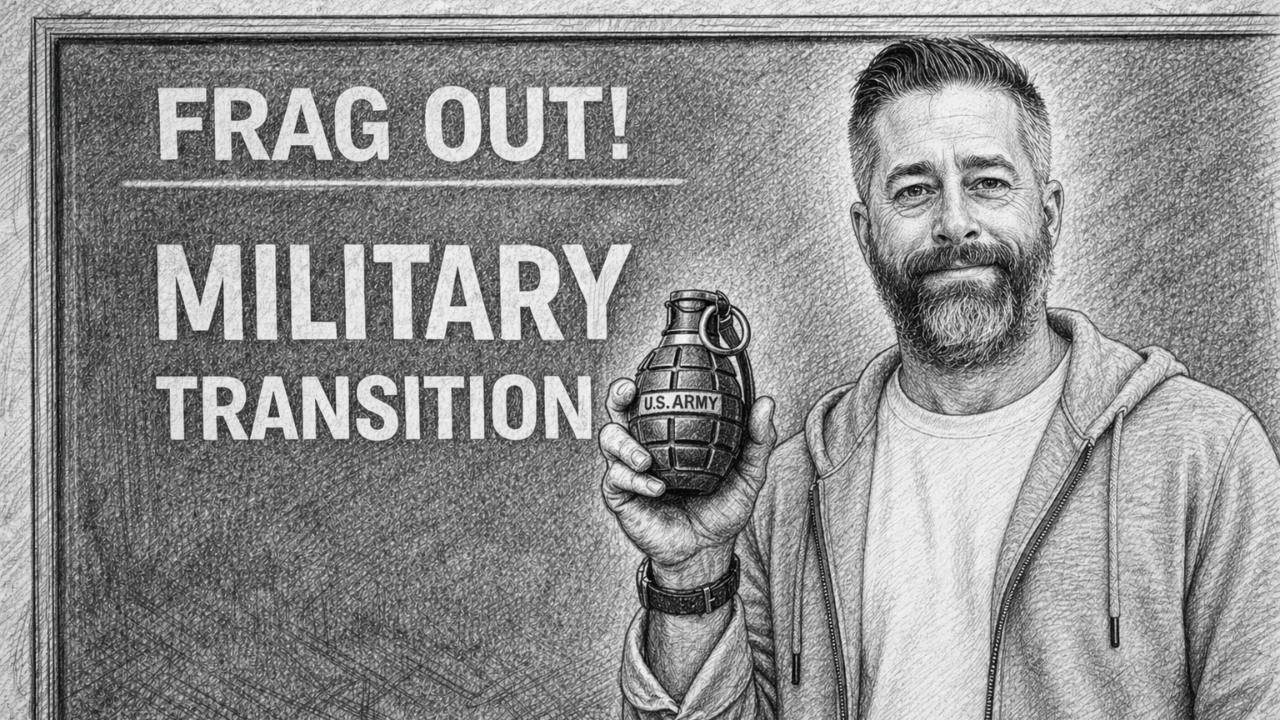
One of the most unsettling moments in a military career isn't stepping onto a battlefield. It isn't graduating from Selection. It isn't changing duty stations. It's the day someone stops calling you by your rank.
For years, your identity is reinforced every single day. You wear it on your chest. It's announced before your name. It dictates authority, responsibility, expectations, and often even your place in a conversation. Then one day, it's gone.
You're no longer Sergeant, Captain, Chief, or Colonel. You're just...Scott. Mike. Sarah. Jennifer. For many veterans, that transition feels far bigger than anyone outside the military realizes.
The problem isn't losing rank. The problem is confusing rank with identity. Rank Is Temporary. Character Isn't.
The military gives us structure. It establishes responsibility quickly and efficiently. Rank tells people where decisions come from and who owns the mission.
That's exactly how it should work. But rank was never supposed to become who you are. Some people unknowingly spend twenty years building a title instead of building themselves. When retirement comes, or separation arrives, they discover they don't know who they are without the organization validating them. That's a dangerous place to be.
The uniform eventually comes off for everyone. The question is whether anything meaningful remains underneath it.
You need to remember that civilians don’t automatically think in terms of rank. One of the biggest frustrations I hear from transitioning service members is this: "They don't understand my experience." Sure. Sometimes that's true. But sometimes we're asking civilians to recognize something that no longer exists in their world.
The vice president at a technology company doesn't automatically care that you were a First Sergeant. The hiring manager isn't dismissing your service. They're trying to answer one question: Can you solve my problems?
That's not disrespect. That's business. Your military experience absolutely matters, but only when you translate it into value the employer understands. Leadership. Decision-making. Managing risk. Building teams. Planning with PACE (Primary, Alternate, Contingency, Emergency). Executing under pressure. Those skills transfer. Rank does not.
Authority Is Loaned. Influence Is Earned. Military leaders often spend years operating with legitimate authority. People comply because the organization demands it. Civilian leadership works differently. People follow because they choose to. You can't order commitment. You can't demand trust. You can't threaten people into innovation.
Influence is earned through credibility, consistency, competence, and genuine relationships. Ironically, many veterans become better leaders after leaving the military because they learn to influence without relying on authority. That's a skill worth developing.
This one can sting. The stories from deployments. The awards. The schools. The assignments. They're impressive. They matter. They're part of your story.
But they're not your future.
I've met veterans who retired ten years ago and still introduce themselves with the same military accomplishments. It's as if life paused the day they left active duty. Your service should be part of your biography, not the final chapter. The world isn't asking what you did. It's asking what you're doing now.
One of the healthiest things I ever learned was to stop trying to preserve my old identity and start building a new one. That's uncomfortable. It requires humility. You'll probably be the least experienced person in some rooms. You'll ask basic (ie “stupid”) questions. You'll make mistakes.
You'll discover that being highly competent in one profession doesn't automatically make you competent in another. That's okay. Every expert was once a beginner.
The military taught you how to learn under pressure. Use that skill again.
The best veterans amongst us stay lifelong students. The most successful veterans I've worked with share one common characteristic. They remain coachable. They don't believe their military career means they've already arrived. They read. They earn certifications. They ask questions. They seek mentors. They admit what they don't know.
They understand that transition isn't graduation. It's enrollment in a completely different school. Years from now, your grandchildren probably won't remember whether you retired as a Major or a Master Sergeant. Your coworkers won't remember every medal. Your neighbors probably won't know your military specialty. But people will remember how you treated them.
Whether you kept your word. Whether you led with integrity. Whether you made others better. That's legacy.
Rank opened doors while you wore the uniform. Character opens doors for the rest of your life.
So… Introduce yourself this week without mentioning your military rank, job title, or past position. Focus instead on who you are today and the value you create for others.
Ask yourself, "If I lost every title I've ever earned, who would I still be?" Then I want you to invest one hour this week learning a new skill that has nothing to do with your military career but everything to do with your future.
Because one day, everyone hangs up the uniform. The people who thrive aren't the ones who cling to the title they had. They're the ones who have the courage to build a life that no longer depends on it.
Frag Out.
Stay connected with news and updates!
Join our mailing list to receive the latest news and updates from our team.
Don't worry, your information will not be shared.
We hate SPAM. We will never sell your information, for any reason.